Why Do Cats Knead? Why Cats Make Biscuits, Explained
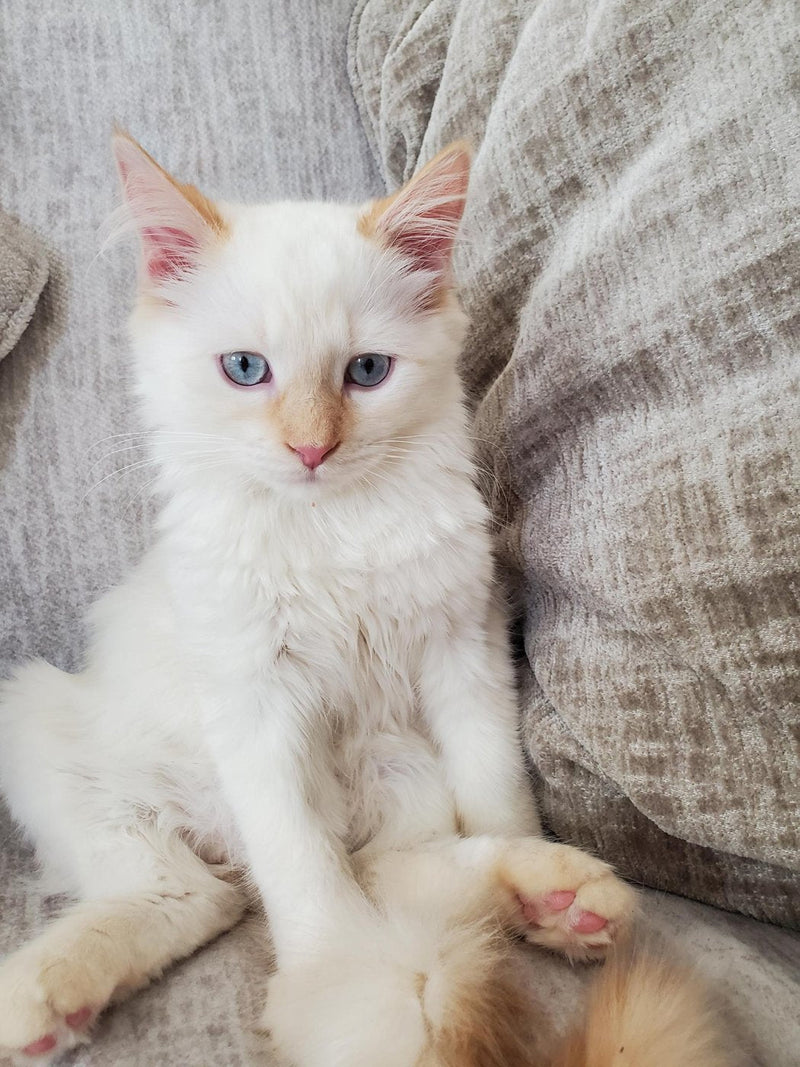
Why do cats knead, and why do cats make biscuits on the softest thing in the room? The rhythmic push-push-push. The half-closed eyes. The loud purr. Sometimes, the claws. If your cat “makes biscuits” on your blanket or your lap, here is what that kneading really means, why soft things trigger it, and how to keep it comfy for both of you.
- What is kneading?
- 6 reasons cats knead
- Why blankets?
- Why on you?
- Ouch: the claws
- Drooling and suckling
- When to see a vet
- FAQ
What is kneading, or “making biscuits”?
“Making biscuits” is the internet's name for kneading, and some people call it pummeling. Your cat pushes their front paws into a soft surface one after the other, like a baker working dough. Some cats keep their claws tucked in. Others extend them with every push. Many purr, close their eyes or look half asleep while they do it.
Not every cat kneads, and how much they do it varies a lot. Both are completely normal.
Why do cats knead? 6 reasons
Vets and behavior experts point to a few overlapping reasons. Most kneading is a mix of them.
1. It started with nursing. Kittens knead their mother's belly to stimulate milk flow. According to VCA Animal Hospitals, the motion may also be linked to oxytocin, the hormone involved in bonding.
2. It is self-soothing. Adult cats often knead when they are relaxed, as if recreating that warm, safe kitten feeling.
3. It makes a better bed. Kneading may flatten and soften a surface before a nap, a habit that may trace back to wild ancestors who had to make their own bedding.
4. It leaves their scent. Cats have scent glands in their paw pads, so kneading leaves a little “this is mine” message on blankets, beds and people.
5. It shows affection. Cats generally knead on people and animals they like. If your cat kneads you, you are on the approved list.
6. It gets attention. As an explainer in The Conversation points out, if kneading earns pets and praise, cats may do it more.
Why do cats knead blankets?
Soft, fuzzy blankets feel a lot like a mother cat's belly: warm, plush and slightly yielding. That texture seems to switch on the old kitten routine. Fleece throws, faux fur, fluffy beds and your favorite sweater are classic biscuit-making spots.
Blankets also smell like you, and sometimes like them, which makes them feel even safer. If your cat always kneads one particular blanket, that is their comfort object. Wash it gently and do not be surprised if they inspect it closely afterward.

Sky has strong opinions about soft rugs, and he is far from alone. Cats gravitate to plush textures for naps, and those are exactly the surfaces most likely to get a round of biscuits first.
If your cat kneads your couch or bed, give them a soft spot of their own. A plush bed or blanket in their favorite nap area gives them somewhere to knead that is theirs.

A spot made for kneading
Plush Fluffy Pet Bed
Soft faux fur with a raised rim and hood. Very kneadable, and it gives your cat a spot of their own for pre-nap biscuits.
$44.38 · Free US shipping
Shop the fluffy bedWhy does my cat knead me?
Kneading on your lap or chest is one of the clearest signs that your cat feels safe with you. You are warm, you are soft and you smell familiar. Kneading also leaves their scent on you, which, in cat terms, marks you as family.
Often it ends with your cat circling once or twice and settling in for a nap on you. Take it as the compliment it is. For more on cat closeness, see why your cat follows you everywhere.
What to do when kneading hurts
Biscuits with claws are less charming. VCA Animal Hospitals recommends keeping claws trimmed and redirecting kneading to a spot of its own. A few gentle fixes:
- Keep claws trimmed. Short claws make kneading much more comfortable. Ask your vet or a groomer to show you how if you are unsure.
- Add a barrier. Keep a thick blanket on your lap or the back of the couch for kneading sessions.
- Redirect, do not punish. Gently move your cat onto a blanket or bed. Pushing them away or scolding can make them anxious, and kneading is a natural, comforting behavior.
- Reward soft paws. Praise or a treat when they knead gently teaches them that soft biscuits get the best results.
- Give them a scratching post. Scratching and kneading are different behaviors, but a good post helps keep claws in shape and protects furniture.

Soft and washable
Cat Sleeping Pouch
A soft, washable pouch your cat can knead, then crawl into. Easy to toss in the wash after a biscuit marathon.
$26.38 · Free US shipping
Shop the sleeping pouchWhy does my cat drool or suck blankets while kneading?
Some cats get so relaxed while kneading that they drool. Others suckle or chew on the blanket, especially soft or woolly ones, as if nursing. It is usually a harmless comfort behavior.
Keep an eye on it, though. If your cat is swallowing fabric or doing it for long stretches every day, that is worth a vet conversation (see below).
When to talk to your vet about kneading
Kneading itself is normal. It is worth calling your vet if:
- Your cat suddenly kneads much more than usual, or in odd places like under the bed. VCA notes that cats sometimes knead and purr to soothe themselves when they feel unwell.
- Kneading comes with other changes, like hiding, eating less or litter box changes.
- Kneading or suckling seems constant or compulsive, or is hurting their paws, legs or mouth.
- Your cat is chewing and swallowing fabric. Eating non-food items can cause blockages.
Frequently asked questions
Why do cats make biscuits?
“Making biscuits” is kneading: pushing the front paws in and out against something soft. It starts in kittenhood, when kittens knead their mother to get milk flowing, and adult cats keep doing it when they feel relaxed, content and safe.
Why do cats knead blankets?
Soft blankets feel a lot like their mother's belly, so they trigger the same comforting kitten behavior. Kneading may also soften a spot before a nap and leave the cat's scent from glands in their paws.
Why does my cat knead me?
It is usually a compliment. Cats tend to knead people they feel safe with. Kneading also leaves their scent on you, which marks you as part of their group.
Why does my cat drool or suck on blankets while kneading?
Some cats drool, purr or suckle while kneading because it takes them back to nursing. It is usually harmless. If the sucking is constant, your cat is swallowing fabric, or it hurts their mouth or paws, talk to your vet.
Why do cats pummel you?
Pummeling is just another word for kneading. When your cat pummels your lap or chest, it is the same comfort habit from kittenhood, plus a way to leave their scent on you. It usually means your cat feels safe with you.
Is it bad if my cat never kneads?
No. Plenty of happy, affectionate cats never knead. It is just one of many ways cats show they are comfortable.
How do I stop my cat's claws hurting when they knead?
Keep their claws trimmed, put a thick blanket on your lap, and gently redirect them to a soft blanket or bed. Do not punish kneading. It is a natural, comforting behavior.
More cat questions answered: Why does my cat follow me everywhere? and 12 ways to celebrate National Cat Day.
Give the biscuit-maker a soft spot.
Cozy beds and pouches for cats who knead, with free US shipping on every order.
Shop cozy beds